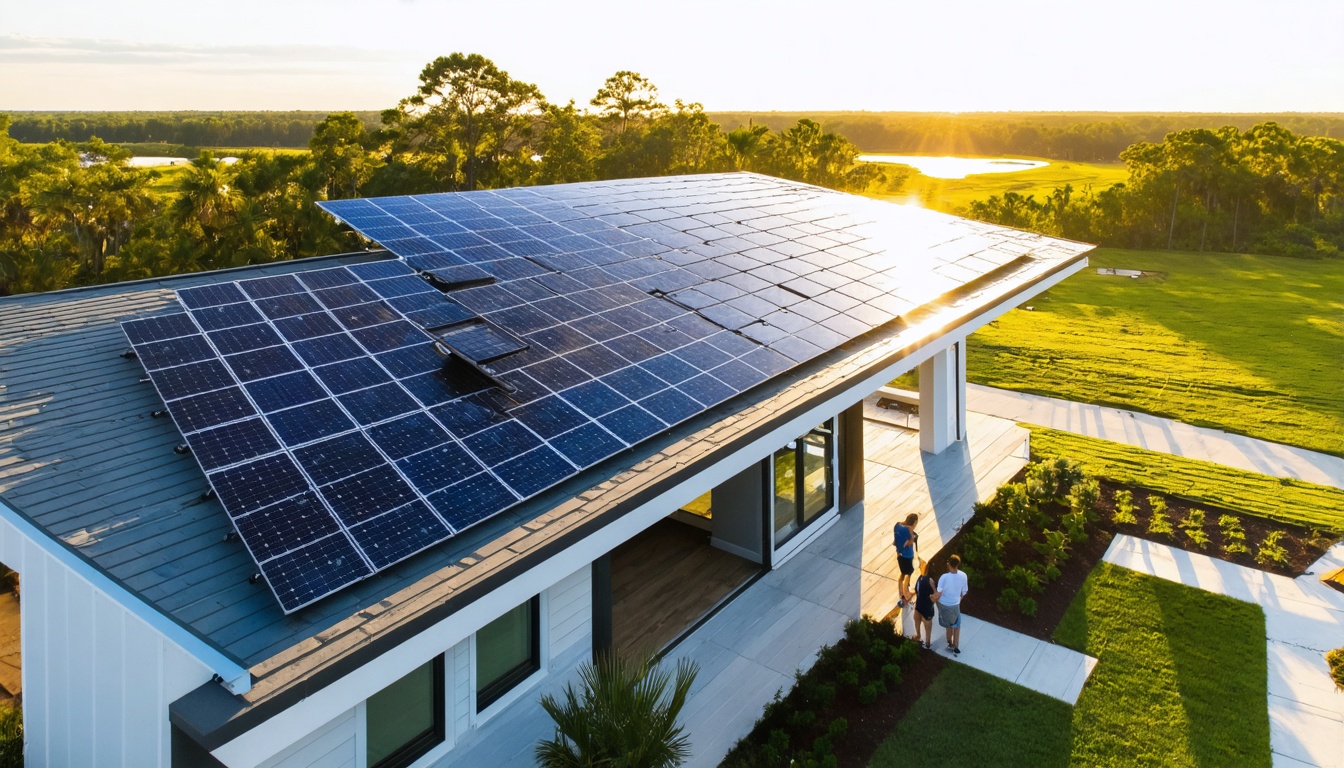
How South Carolina Homeowners Can Make the Most of Their Solar Potential
Residents of South Carolina have the opportunity to harness significant sunlight for potential energy savings through solar energy systems. The state offers various incentives that can help reduce the overall cost of solar installation and improve return on investment.
To maximize these benefits, homeowners should consider a range of factors including the type of solar system that best matches their energy needs, as well as the specifics of installation options available in their area.
Solar energy systems can enhance property value, as homes equipped with solar panels may appeal to buyers looking for energy-efficient features. Moreover, adopting solar energy can contribute to lower monthly energy bills and decrease reliance on traditional energy sources, which in turn, may positively impact the environment by reducing greenhouse gas emissions.
Ultimately, the most effective approach for homeowners is to conduct thorough research, evaluate local incentives, and consult with solar energy professionals to ensure they are making informed decisions aligned with their financial and environmental goals.
Understanding Solar Panel Technologies and System Components
When considering the implementation of solar technology for a residential property in South Carolina, it is imperative to assess the relevant technologies and components carefully. Understanding the differences between monocrystalline, polycrystalline, and thin-film solar panels is crucial, as each type offers distinct characteristics in terms of efficiency and cost.
Monocrystalline panels are characterized by higher efficiency rates and greater space efficiency, making them suitable for residences with limited roof space. They tend to perform better under low-light conditions than the other panel types.
In contrast, polycrystalline panels generally exhibit lower efficiency levels but are more cost-effective. For homeowners with sufficient roof area and budget constraints, polycrystalline panels may present a practical alternative.
Thin-film panels, although typically less efficient overall, offer advantages in terms of weight and flexibility, allowing for various installation methods. Their performance may also be superior in high-temperature environments, which is particularly relevant given the climatic conditions in South Carolina.
Additional considerations when evaluating solar options include the household's energy consumption, local weather patterns, prevailing electricity costs, and available tax incentives, such as the Investment Tax Credit (ITC).
Furthermore, reliable solar power generation depends on selecting quality inverters and appropriate mounting systems. Homeowners might also explore battery storage solutions to increase energy autonomy and provide a backup power source during outages.
For further guidance, it is recommended to refer to credible resources such as the National Renewable Energy Laboratory (NREL), contact the South Carolina Energy Office, engage with local utility services in Columbia, or visit https://solarpanelssouthcarolina.com/. These entities can provide valuable insights and information relevant to individual circumstances.
Evaluating Solar Costs and Financing Options in South Carolina
When evaluating solar energy options in South Carolina, it is essential to assess the financial aspects carefully. The installation costs for solar panels generally range from $15,000 to $25,000. However, multiple incentives and tax credits can markedly decrease these expenses. The federal Investment Tax Credit (ITC) enables homeowners to deduct a portion of the installation costs from their federal taxes. Additionally, South Carolina provides a state tax credit that can further lessen the financial impact.
Homeowners should also factor in ongoing considerations such as rising electricity prices, increased energy demand, and environmental concerns. For a comprehensive understanding of solar energy's financial implications, it is recommended to consult local utility providers and resources like the National Renewable Energy Laboratory (NREL) for the latest information on available programs and financing options.
These resources can support residential consumers, especially in urban centers like Columbia, by offering access to programs that facilitate the adoption of solar energy. A thorough analysis of these financial elements will aid homeowners in evaluating the potential return on investment associated with solar energy technologies.
Maximizing Savings Through Incentives, Rebates, and Net Metering
The initial investment in solar panels can be significant, but South Carolina offers several incentives, rebates, and net metering programs that can help mitigate these costs. One of the primary financial benefits is the federal Investment Tax Credit (ITC), which allows homeowners and businesses to deduct a considerable percentage of the installation expenses from their federal income taxes.
Additionally, South Carolina has its own tax credit that provides a 25% reduction in the costs associated with solar panel installation.
Utility companies in South Carolina, including those serving the Columbia area, generally implement rebate programs for both residential and commercial consumers. These programs aim to reduce the upfront expenses associated with adopting solar energy solutions, making it more financially accessible.
Net metering also serves as an important component of solar energy utilization in South Carolina. This program allows solar panel owners to earn credits for surplus electricity they produce and send back to the grid. Over time, these credits can offset future electricity costs, thereby enhancing the overall financial feasibility of solar energy investments.
For further information about these financial incentives and programs, consulting resources such as the National Renewable Energy Laboratory (NREL) or local solar energy organizations is recommended. These sources can provide valuable guidance on eligibility requirements and the application processes for various incentives related to solar installations.
Selecting Qualified Contractors and Navigating Installation Considerations
The effectiveness of a solar installation project is largely determined by the quality of both the equipment selected and the expertise of the contractor responsible for the installation. In South Carolina, it is important for homeowners to verify that a contractor holds the necessary licenses, insurance, and has positive customer references to assess their reliability and skill.
When evaluating potential contractors, homeowners should ask detailed questions concerning the specific solar panels and technology being proposed, the warranties available, and the expected power generation outputs. The National Renewable Energy Laboratory (NREL) emphasizes obtaining detailed bids from multiple contractors to make informed comparisons.
Furthermore, homeowners should also consider the regulations imposed by utility companies, homeowners' associations (HOAs), and the necessity of developing decommissioning plans for the solar system.
Additionally, consulting the primary Energy Center can provide homeowners with information on tax credits, net metering options, and other financial incentives relevant to South Carolina. Selecting a qualified contractor can enhance the installation process and maximize the potential benefits derived from federal and state incentives.
This approach encourages a well-informed decision-making process concerning the investment in solar energy.
Assessing Environmental and Energy Independence Benefits
South Carolina experiences an average of 220 sunny days each year, which makes it a suitable location for solar energy adoption among homeowners. The installation of solar panels can play a role in reducing carbon dioxide emissions, contributing positively to efforts against climate change, and promoting cleaner energy generation.
Adopting solar energy can also reduce reliance on local utilities, providing homeowners with greater stability against the volatility of electricity costs, especially during peak demand periods.
Financial considerations regarding solar technology adoption are supported by various incentives, such as the Investment Tax Credit (ITC), state tax credits, and net metering programs that are available in areas including Columbia and throughout South Carolina. These incentives can help mitigate the initial investment costs associated with solar panel installations.
For information on the technical and financial aspects of solar energy, resources like the National Renewable Energy Laboratory (NREL) offer research and data that can assist homeowners in making informed decisions.
Overall, integrating solar energy into residential environments may contribute to enhanced energy independence for homeowners over time.
Increasing Property Value With Residential Solar Installations
The installation of solar panels on residential properties in South Carolina has been shown to contribute to an increase in property value. Research indicates that homes with residential solar systems tend to sell for approximately $15,000 more than similar homes without these installations. This increase in property value can be largely attributed to reduced electricity expenses; homeowners with solar panels typically experience average savings of around $750 per year on energy costs.
Moreover, potential buyers may consider enhanced energy independence as a significant advantage, particularly in light of local utility rates and the broader environmental implications of climate change.
Furthermore, financial incentives play a critical role in the adoption of solar energy in South Carolina. Homeowners have access to several programs aimed at reducing the overall cost of solar installations. These include federal Tax Credits, such as the Investment Tax Credit (ITC), as well as state-specific initiatives and Net Metering policies.
These incentives can substantially decrease the upfront costs associated with installing solar panels.
For homeowners contemplating the transition to solar energy, it is recommended to consult with local professionals or refer to resources such as the National Renewable Energy Laboratory (NREL) for comprehensive information. Doing so can help individuals navigate the various factors involved in solar installation and ensure well-informed decision-making.
Conclusion
By opting for solar energy, homeowners in South Carolina can decrease their energy expenses while potentially increasing the market value of their property. The state benefits from a significant amount of sunlight, which can enhance the efficiency of solar installations. There are various incentive programs available that homeowners may leverage to offset initial costs, making solar energy a more accessible investment.
It is essential for homeowners to conduct thorough research when selecting qualified solar installers, ensuring they compare different options carefully. Staying informed about advancements in solar technology and changes in local regulations can also help homeowners make well-informed decisions.
Investing in solar energy offers long-term advantages that include reduced reliance on grid electricity and the potential for lower greenhouse gas emissions. Additionally, solar installations can significantly contribute to energy independence. Considering these factors, now may be an opportune time for South Carolina homeowners to explore their solar options. |