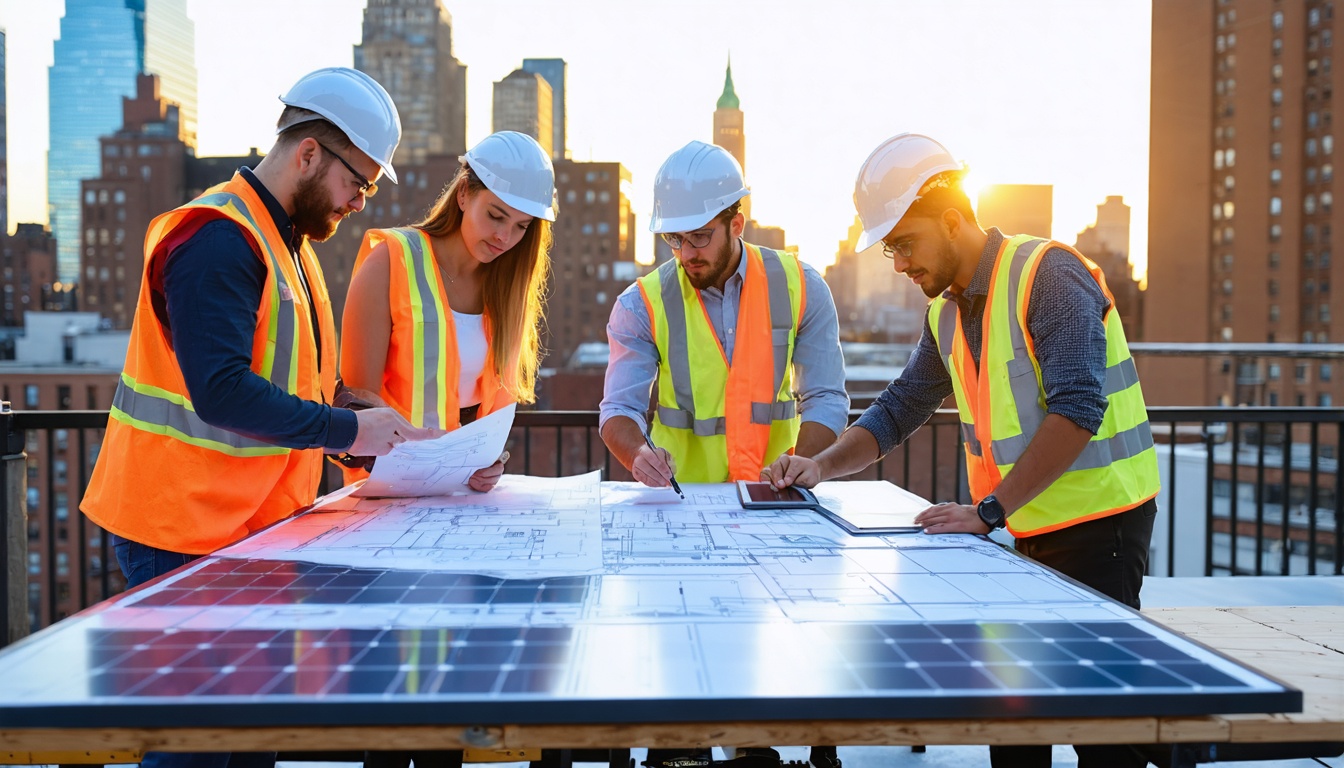
Planning a Solar Project in Brooklyn, New York: Questions to Ask Before You Begin
If you are planning to install a solar system on your property in Brooklyn, New York, it is important to address several critical questions prior to commencing the project. Gaining a comprehensive understanding of local regulations, financial incentives, and site suitability is essential for optimizing your solar installation's effectiveness and long-term benefits.
First, familiarize yourself with local zoning laws and permitting requirements, as these can vary by neighborhood and may influence the type of system you can install. Understanding the regulations in advance can prevent potential compliance issues that could delay your project.
Next, explore the financial aspects of your solar installation. Evaluate available financing options, including purchasing equipment outright, leasing, or entering a power purchase agreement (PPA). Investigate available state and federal incentives such as tax credits and rebates, as these can significantly reduce the overall cost of your system.
Additionally, assess the physical characteristics of your property. The placement and orientation of solar panels are critical for maximizing energy production. Factors such as roof condition, shading from nearby trees or buildings, and the availability of space for ground-mounted systems should be carefully evaluated.
By addressing these considerations early on, you can make informed decisions that enhance the efficiency and economic viability of your solar project, thereby facilitating a smoother implementation process.
Key Considerations for Early Solar Project Planning
When planning a solar project in Brooklyn, it is critical to evaluate several key factors early in the process to mitigate potential complications that could increase costs in the future.
Firstly, it is necessary to assess the condition and orientation of your roof, as these aspects directly affect the energy output of the solar system and inform viable installation options.
Engaging a qualified installation team is recommended, as they can offer design solutions that align with the specific characteristics of your home or building.
Familiarity with available incentives through NYSERDA, as well as other relevant tax credits and financing options, is also essential to help minimize overall project expenditures.
Additionally, incorporating a battery storage system can improve electricity management and enhance energy independence and efficiency.
Compliance with the requirements set by Con Edison and New York State is another critical component of the planning process.
For more information on community resources, our blog may provide useful insights, or you can reach out to our support team for further assistance.
This structured approach can contribute to a more efficient realization of your solar project.
Navigating New York City Solar Requirements
The building regulations in New York City significantly influence the planning and implementation of solar energy projects. Notably, Local Laws 92 and 94 require that new constructions include solar panels or green roofs, reflecting the city's commitment to environmental sustainability. Therefore, adherence to these design requirements is crucial, particularly in areas like Brooklyn.
Furthermore, Local Law 97 establishes emission limits for buildings, incentivizing the adoption of solar energy as a potential solution to meet these regulations. Organizations such as the New York State Energy Research and Development Authority (NYSERDA) and Con Edison offer several financial incentives, tax credits, and financing options designed to assist property owners and businesses in lowering their electricity costs and enhancing energy savings.
To effectively navigate these regulatory requirements, it is advisable for stakeholders to consult with their project teams or solar installers. This engagement ensures a comprehensive understanding of the pertinent regulations and available support mechanisms.
For additional guidance, relevant authorities provide resources, including customer support services and direct communication channels, which can help clarify any uncertainties regarding compliance and implementation.
Selecting a Qualified Solar Installer
Selecting a qualified solar installer is an important consideration in the solar installation process, as installation quality can significantly affect system performance and durability. In Brooklyn, opting for a solar company with a solid track record in both residential and commercial projects is recommended. A key indicator of professionalism is certification by the New York State Energy Research and Development Authority (NYSERDA), which requires compliance with specific industry standards.
When assessing potential installers, it is essential to ask about financing options, potential tax credits, and estimated savings on utility bills, particularly in connection with Con Edison. Reputable firms generally provide clear customer support and assist with the necessary permitting processes.
They should also be equipped to design systems that cater to the unique attributes of your roof to optimize energy production.
Additional factors to consider include reviewing the installer's online resources for industry knowledge, exploring community feedback on previous projects, and checking the privacy policy to understand how your data will be managed.
A qualified solar installer should deliver comprehensive services that encompass electricity generation, battery storage solutions, and ongoing maintenance to ensure the long-term effectiveness of the system.
For further inquiries or additional information, contacting local resources such as Contact Us NY can be beneficial.
Assessing Site Suitability and Design Options
To determine if your Brooklyn property is suitable for solar, start by examining your roof’s orientation, pitch, and exposure to sunlight. Ideal roofs in Brooklyn face south and have a 20°–40° pitch, maximizing energy output. For instance, Solar Panels in Brooklyn, New York are designed to capture optimal sunlight in the region. The Team will assess shading from trees, chimneys, or nearby Buildings, and offer custom Design Solutions, such as tilt racks, canopies, or ballast mounts. You’ll want your installer to Help you plan for code compliance and work with NYSERDA, Con Edison, and New York State requirements. Ask your installer about keeping systems discreet and complementing homes and businesses. Explore our Blog or Contact Us NY.
Understanding Solar Financing and Incentives
Understanding the financing options and incentives for solar installations in Brooklyn is essential for homeowners and businesses considering solar energy. Various financing methods are available, including outright purchases, loans, and leases that may require little to no upfront costs. Each option presents different implications for initial investment and potential long-term savings, which warrant careful evaluation.
Additionally, financial incentives such as the New York State Energy Research and Development Authority (NYSERDA) programs and the Solar Energy System Equipment Credit can provide significant cost reductions. These incentives play a crucial role in affecting the overall return on investment for solar projects.
Community solar programs, including those provided by Con Edison, can also lead to savings on electricity bills, which typically range from 5% to 20%.
It is advisable for individuals and businesses to consult with qualified solar installers or financial advisors to assess available rebates, tax credits, and potential energy savings. For comprehensive information on design solutions and specific advantages of solar installations in New York, visiting authorized resources or engaging with industry professionals can be beneficial.
The Solar Design and Installation Process
The process of installing solar panels on a rooftop in Brooklyn involves several methodical steps, emphasizing the evaluation of individual circumstances and compliance with relevant regulations.
The installation team works closely with the property owner to review critical factors such as the design and structure of the building, requirements from Con Edison, and guidelines established by the New York State Energy Research and Development Authority (NYSERDA).
Once the proposal is accepted, a comprehensive project plan is generated, detailing the installation process. This includes securing necessary permits, preparing the site, and addressing any internal system requirements to align with New York State codes.
Clients are encouraged to explore various options related to system monitoring, battery storage, financing solutions, and customer support services.
A collaborative approach is valuable in this process as it can lead to potential savings on utility bills and help in accessing available tax incentives for both residential and commercial projects.
This structured methodology is designed to ensure that the transition to solar energy is efficient and meets established technical standards and financial considerations.
Ensuring Long-Term Performance and Maintenance
Effective management is important for maintaining the long-term performance of solar investments in Brooklyn. To ensure that your solar system operates efficiently and continues to provide savings for both residential and commercial properties, establishing a maintenance plan with your installer or maintenance team is advisable.
Consistent monitoring of energy performance, regular cleaning of solar panels, and routine assessments of the system's physical condition are recommended practices. Resources from programs such as NYSERDA and Con Edison can offer useful insights into energy solutions and financing options for solar energy systems.
It is also important to review warranty terms, tax credits, and customer support services to fully grasp the financial implications and benefits of your solar investment.
Focusing on quality design and installation, coupled with a proactive maintenance strategy, can contribute to an extended lifespan for your solar system.
For additional information and resources, it is recommended to consult our blog or contact our office in New York. Additionally, it is advisable to review our Privacy Policy to understand how we handle and protect your information.
Conclusion
Before initiating a solar project in Brooklyn, it is essential to ask pertinent questions and understand each step, from site assessment to long-term maintenance. This involves a thorough review of local regulations, financing options, and potential installers to facilitate a smooth installation process and maximize financial savings.
It is advisable to clarify your specific goals for the solar project and consider the various available choices to ensure that your investment yields tangible benefits both in terms of energy savings and environmental impact. Engaging in comprehensive planning is crucial to navigate the complexities of solar energy adoption effectively.
Key considerations include understanding Brooklyn's regulations on solar installations, evaluating the financial incentives available, and selecting a qualified installer with a good reputation and relevant experience. Rushing through the planning phase may lead to oversights that could affect the project's overall success and efficiency. |